 Destinations
 Data sources
 AI insights
 About us
 Careers
 Security
 Customer reviews
 Contact us
 Affiliate program
 Solution partners
 Template gallery
 Looker Studio templates
 Power BI templates
 Excel templates
 Google Sheets templates
 Tableau templates
 Facebook Ads templates
 Google Ads templates
 Data fields & Metrics
 AI prompt library & Guides
 Product documentation
 API documentation
 Case studies
 Blog
Blog Data models
 Windsor vs Supermetrics
 Windsor vs Funnel.io
 Windsor vs Fivetran
 Windsor vs Rivery
 Windsor vs Portermetrics
 Windsor vs Coupler.io
Connect BigQuery to Amazon S3
Windsor.ai offers analytics-ready data pipelines that automatically sync BigQuery and Amazon S3 with a few button presses. By eliminating coding, this connector ensures you can focus more on analytics and develop effective business strategies.
Forget CSVs. Stop copy/paste. Connect data in 2 minutes. No code required.
 Sign up with Google
 Free forever plan
No credit card needed
Free forever plan
No credit card needed










Why do I need BigQuery and Amazon S3 integration?
Integrating BigQuery and Amazon S3 platforms offers numerous benefits for businesses, including the following:

Create a single source of truth with Amazon S3
Amazon S3 is branded as a simple storage service because it allows an easy way to transfer and store your data. The platform is suitable for structured data, but it also captures object data in buckets. Amazon S3 allows you to control access to the data, including access to individual buckets. Effectively, integrating BigQuery and Amazon S3 ensures that your data is stored in one database where you create a single source of truth and can control how your teams access the data.

Global availability
With your BigQuery data in Amazon S3, you can capitalize on AWS’s global infrastructure to distribute the datasets across many regions. You can utilize the geographical location controls in Amazon S3 to manage who can store or access data in particular buckets. This ensures high availability and reduces redundancy to access data even during disasters or regional outages. With improved disaster recovery capabilities, downtime, and potential data loss are minimized, promoting business continuity. Operational efficiency is also maintained, particularly for geographically dispersed teams or customer bases.

Content delivery and distribution
Distribute data worldwide with higher transfer speed and low latency through BigQuery and Amazon S3 integration. Deliver BigQuery’s analytics reports, media files, or large datasets to users in different geographic locations by accessing Amazon CloudFront through S3. By playing the role of a content delivery network, CloudFront decreases load times and enhances access for end users, boosting overall productivity in the long run.

Enjoy data versioning
Leverage Amazon S3’s versioning feature to monitor your BigQuery datasets as they evolve over time to protect them against unwanted modifications or deletions. When you activate versioning, it’s possible to store many versions of a similar file so you can restore previous versions if need be. This is especially advantageous for auditing purposes.
Using Windsor.ai connector to import data from BigQuery into Amazon S3
Windsor.ai offers analytics-ready data pipelines that automatically sync BigQuery and Amazon S3 with a few button presses.
By eliminating coding, this connector ensures you can focus more on analytics and develop effective business strategies.















How to connect BigQuery to Amazon S3 with Windsor.ai
Follow the steps below to connect BigQuery to Amazon S3 with Windsor.ai. Register or log in if you already have an account, then select your source and destination.
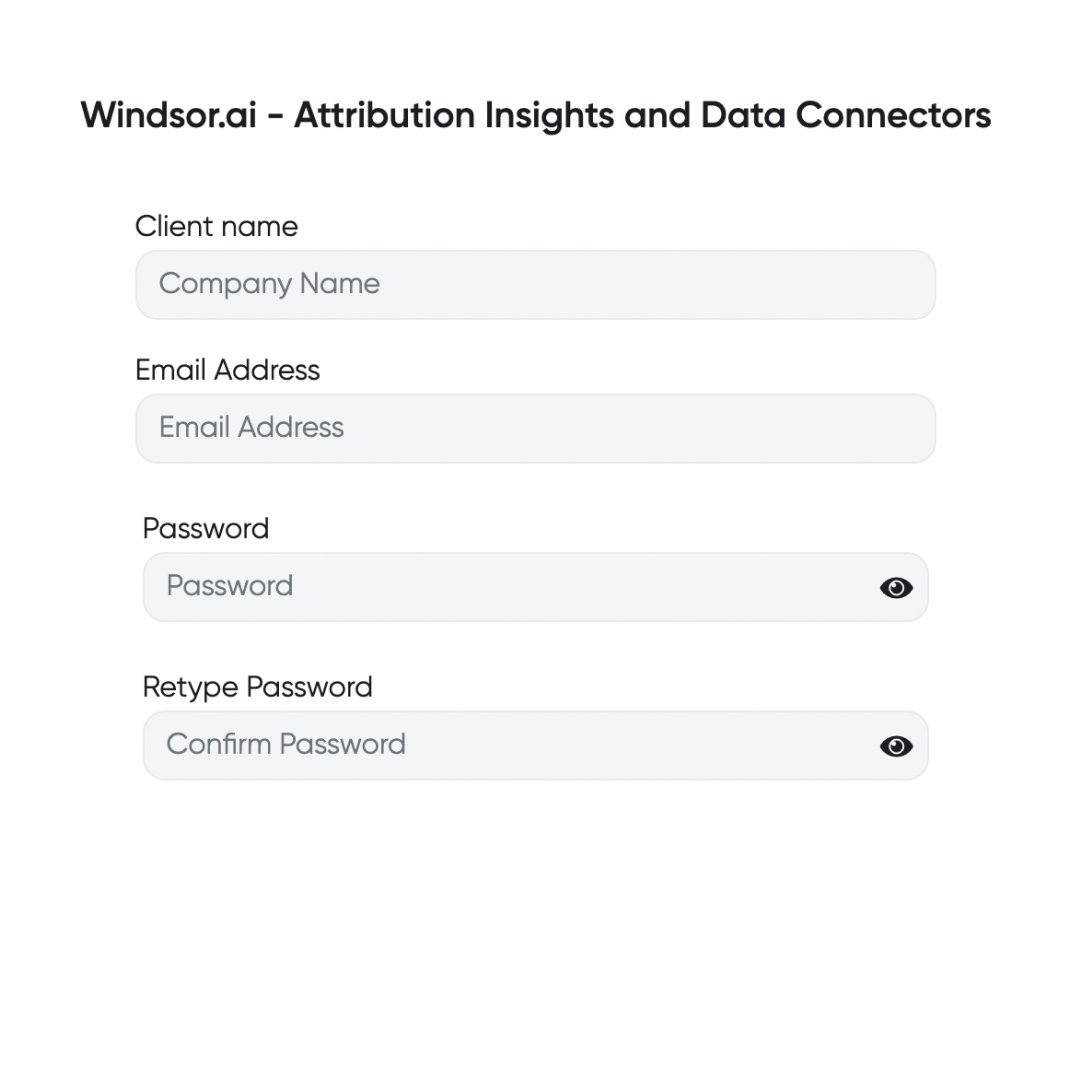
1. Register
Register or login if you already have an account.
2. Select your source
You need to select BigQuery as a Data Source and Grant Access to Windsor.ai.

3. Select Destination
Choose Amazon S3 as the destination.

4. Sync your Data
Add the following information in the relevant fields.
Instruction: The list of selected fields must contain a date field.
FAQs
What is Amazon S3?
Amazon S3 is a platform used for storing data as objects within buckets (a container for objects). Small and big businesses rely on it to store and safeguard data for various use cases, including enterprise apps, IoT devices, data lakes, and big data analytics. Amazon S3 also comes with management features allowing users to arrange, optimize, and configure access to data to meet specific needs. The platform is highly scalable and safe.
Tired of manual BigQuery data exports? Get started with Windsor.ai today to automate your reporting


