 Destinations
 Data sources
 AI insights
 About us
 Careers
 Security
 Customer reviews
 Contact us
 Affiliate program
 Solution partners
 Template gallery
 Looker Studio templates
 Power BI templates
 Excel templates
 Google Sheets templates
 Tableau templates
 Facebook Ads templates
 Google Ads templates
 Data fields & Metrics
 AI prompt library & Guides
 Product documentation
 API documentation
 Case studies
 Blog
Blog Data models
 Windsor vs Supermetrics
 Windsor vs Funnel.io
 Windsor vs Fivetran
 Windsor vs Rivery
 Windsor vs Portermetrics
 Windsor vs Coupler.io
Connect Outbrain to Google Sheets
Easily import your Outbrain data into Google Sheets with the Windsor.ai ETL connector.
Our platform automates Outbrain reporting, delivering key campaign metrics into Google Sheets so you can analyze ad performance and make smarter optimization decisions.
Forget CSVs. Stop copy/paste. Connect data in 2 minutes. No code required.
 Sign up with Google
 Free forever plan
No credit card needed
Free forever plan
No credit card needed










Level up marketing analytics with Outbrain to Google Sheets integration
Syncing Outbrain with Google Sheets via Windsor.ai turns native advertising data into a live, flexible reporting layer, allowing you to analyze performance, optimize spend, and scale what works. Here’s what you gain from this integration:

Automate reporting
Windsor.ai automates Outbrain data flow to Google Sheets, removing the need for manual exports and ensuring you always have access to the latest ad metrics.

Unify marketing data
Merge Outbrain with 350+ data sources in Google Sheets to evaluate Outbrain’s role across your entire marketing funnel. Gain clarity into the customer journey across touchpoints and make smarter strategic decisions.

Optimize ad campaigns
Analyze performance by publisher, creative, and campaign to understand what drives results, reallocate budget, and improve overall campaign efficiency.

Enhance team collaboration
Easily share Google Sheets dashboards without granting access to ad accounts. This keeps teams aligned and simplifies collaboration across marketing, analytics, and leadership.
Using Windsor.ai connector to import data from Outbrain into Google Sheets
Most ways of exporting Outbrain data to Google Sheets rely on CSV downloads, manual updates, or complex setups. Windsor.ai’s no-code ETL connector automates this process, syncing Outbrain campaign data to Google Sheets in minutes.
Build flexible reports and analyze your advertising performance with zero manual effort.















How to connect Outbrain to Google Sheets in Windsor.ai
Make sure you have the following prerequisites before setting up the connector:
- Outbrain account
- Google Sheets document
- Active Windsor.ai account
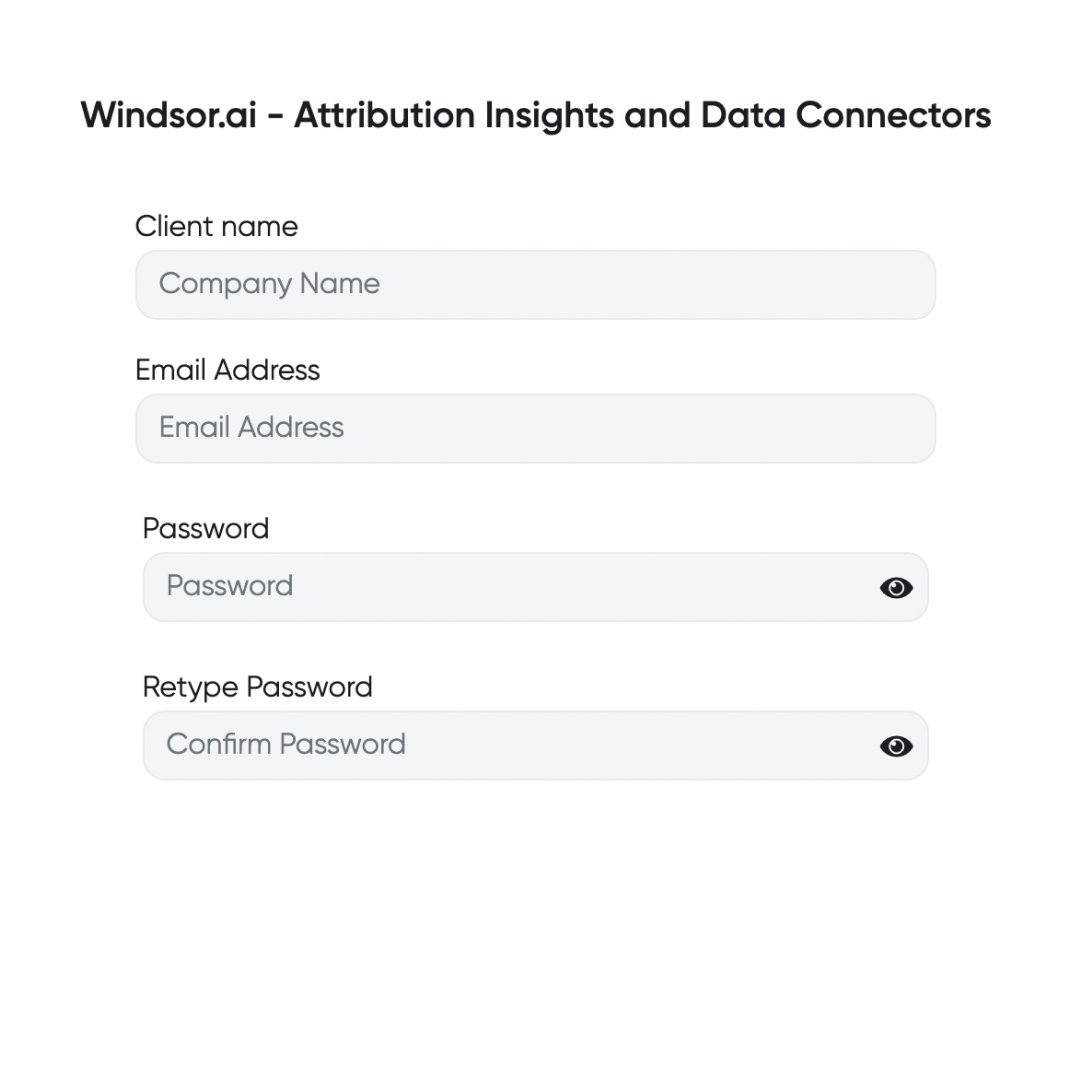
Register and log in to Windsor.ai
Create a new Windsor.ai account or log in if you already have one.
Select your data source
Choose Outbrain as your data source and grant access to Windsor.ai.

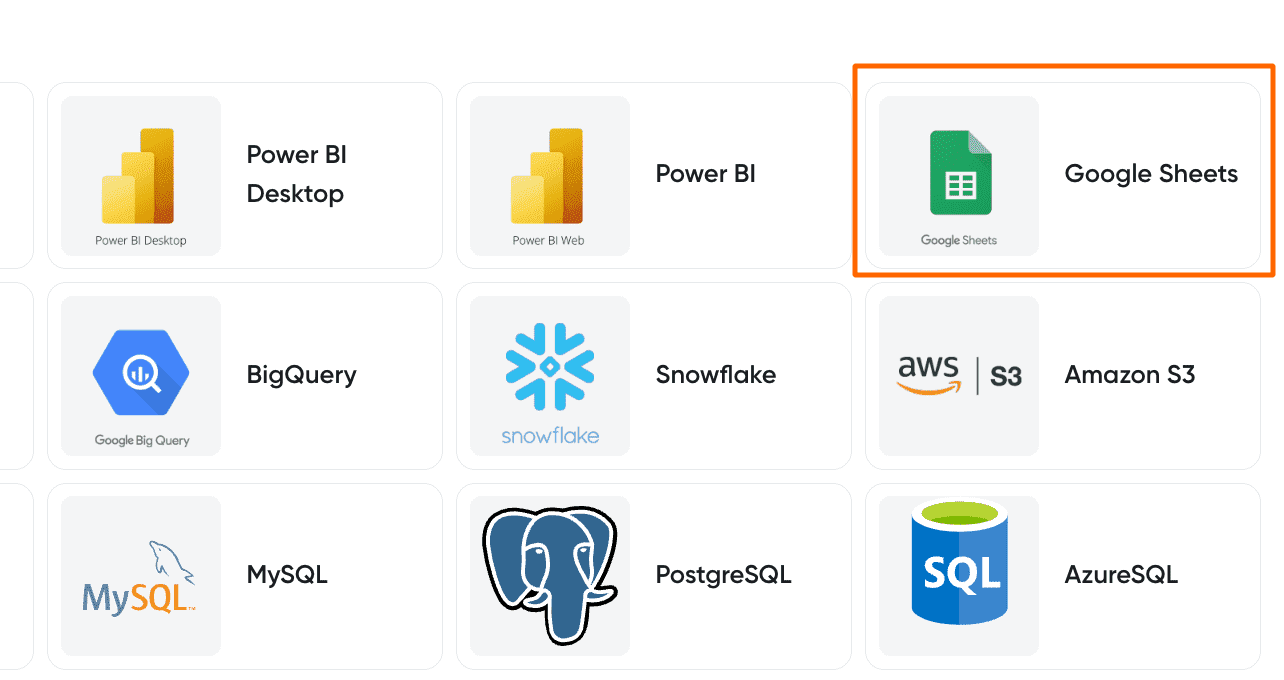
Select your destination
Set Google Sheets as the destination for your data.
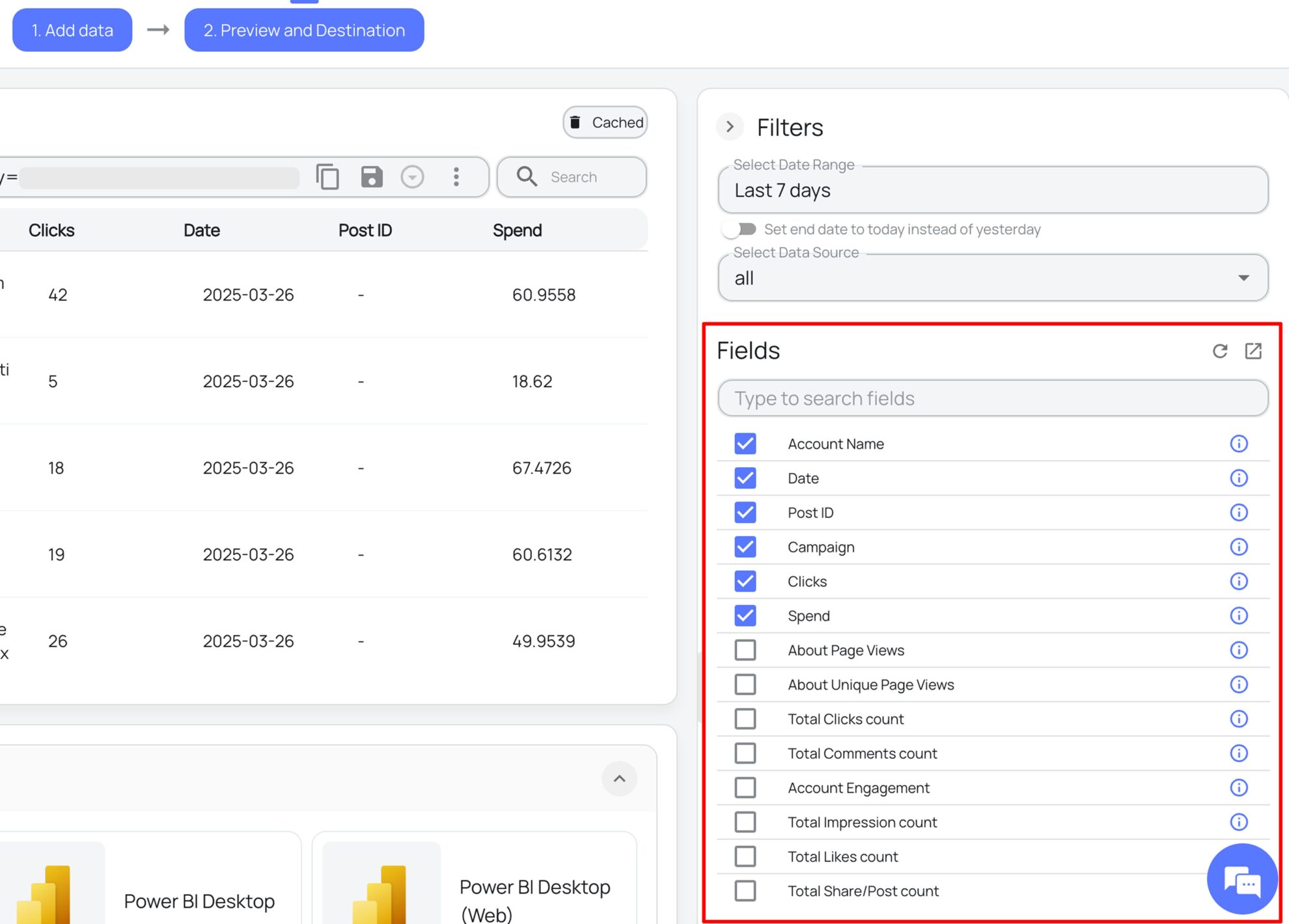
Select the reporting metrics and dimensions
Select the reporting metrics and dimensions
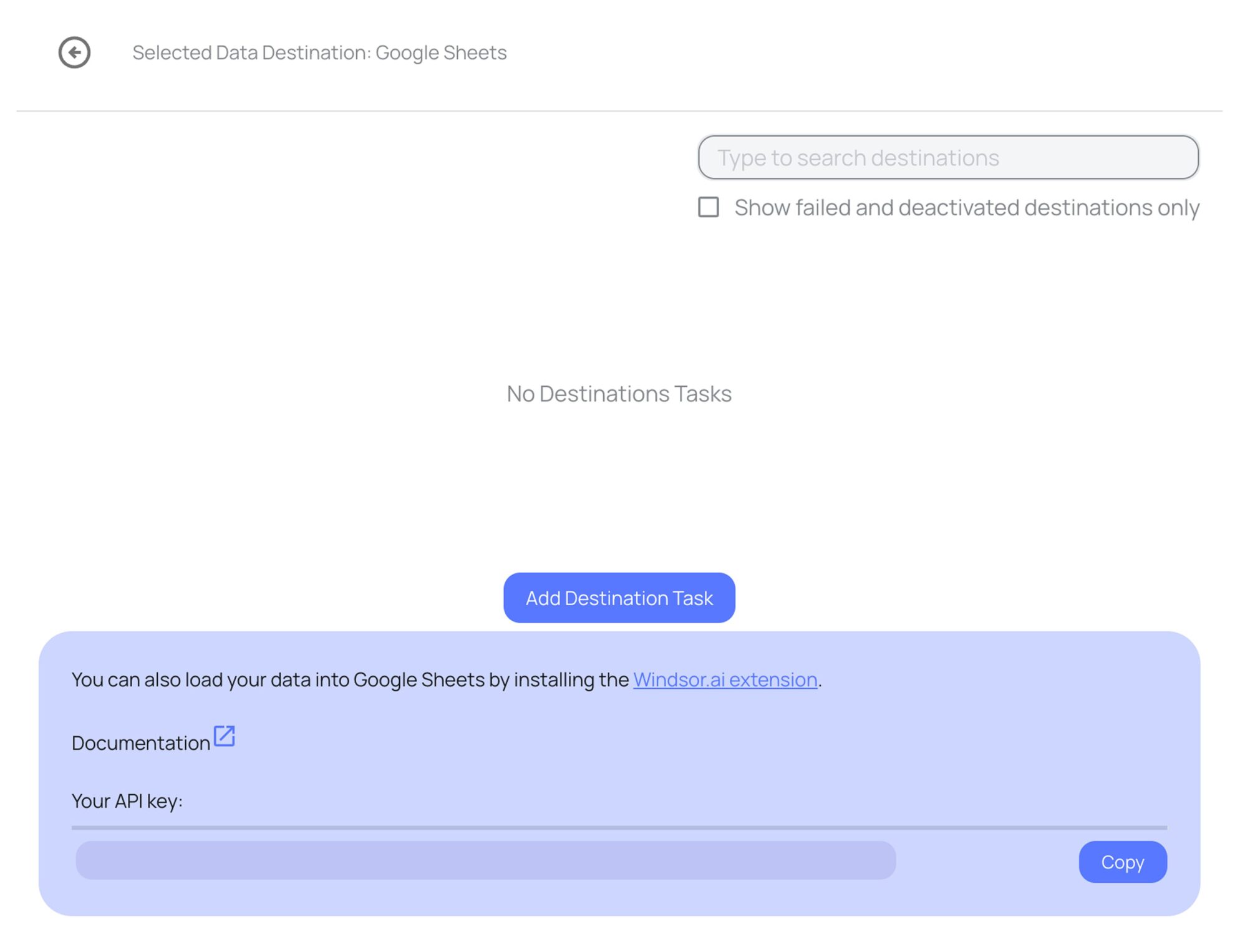
Follow the setup instructions to complete the integration
Depending on the integration method you choose, set up the connection by following the prescribed steps, whether through an extension or directly via an in-app destination task.
FAQs
What is Google Sheets?
Google Sheets is a cloud-based spreadsheet application that allows users to enter, edit, and manage data in real-time, supporting simultaneous collaboration. With features like revision history for tracking changes, offline access via desktop and mobile apps, and compatibility with various file formats (CSV, TSV, XLT, ODS, etc.), Google Sheets is a versatile tool for data management and analysis.
Do you have helpful links to get started with integrating Outbrain and Google Sheets using Windsor.ai?
Yes, we have helpful resources to help you get started. You can explore our official documentation and ready-to-use templates for seamless Outbrain to Google Sheets integration with Windsor.ai:
How much does it cost to integrate Outbrain into Google Sheets with Windsor.ai?
Windsor.ai’s pricing for Outbrain to Google Sheets data integration can vary depending on your use case and data volume. We offer transparent pricing plans tailored to diverse business needs and budgets.
How much time do I need to create the Outbrain and Google Sheets integration?
Using Windsor.ai’s no-code ETL connector, you can integrate Outbrain with Google Sheets in a few minutes, benefiting from a quick and stress-free setup process.
Tired of manual Outbrain data exports? Try Windsor.ai today to automate your reporting


