 Destinations
 Data sources
 AI insights
 About us
 Careers
 Security
 Customer reviews
 Contact us
 Affiliate program
 Solution partners
 Template gallery
 Looker Studio templates
 Power BI templates
 Excel templates
 Google Sheets templates
 Tableau templates
 Facebook Ads templates
 Google Ads templates
 Data fields & Metrics
 AI prompt library & Guides
 Product documentation
 API documentation
 Case studies
 Blog
Blog Data models
 Windsor vs Supermetrics
 Windsor vs Funnel.io
 Windsor vs Fivetran
 Windsor vs Rivery
 Windsor vs Portermetrics
 Windsor vs Coupler.io
Connect AppNexus to Tableau
Quickly send your AppNexus data to Tableau with Windsor.ai’s ELT connector.
Our platform automates AppNexus reporting, helping you evaluate programmatic performance, optimize spend, and make smarter media decisions.
Forget CSVs. Stop copy/paste. Connect data in 2 minutes. No code required.
 Sign up with Google
 Free forever plan
No credit card needed
Free forever plan
No credit card needed










Unlock advanced analytics with AppNexus to Tableau integration
Sync AppNexus with Tableau to analyze programmatic performance from multiple angles using Tableau’s advanced analytics and visualization capabilities. Here’s what this integration offers:

Automate reporting
Windsor.ai automates the delivery of AppNexus data into Tableau, eliminating manual exports and keeping your marketing metrics always up-to-date.

Optimize media spend
Analyze AppNexus delivery across placements, audiences, and formats to see what performs best. Shift budget toward high-performing media and improve efficiency with data-backed decisions.

Merge data across multiple channels
Blend AppNexus data with 350+ marketing, analytics, or revenue sources in Tableau to understand how programmatic advertising contributes to overall business performance. This broader context supports more accurate planning and budget allocation decisions.
Using Windsor.ai connector to import data from AppNexus into Tableau
Most methods of connecting AppNexus with Tableau are complex, error-prone, and costly. Windsor.ai simplifies this with a fast, affordable, no-code ETL connector that automates the entire process.
In just a few clicks, access real-time advertising metrics in interactive, auto-refreshing dashboards.















How to connect AppNexus to Tableau in Windsor.ai
Make sure you have the following prerequisites before setting up the connector:
- AppNexus account
- Google account for Tableau integration
- Active Windsor.ai account
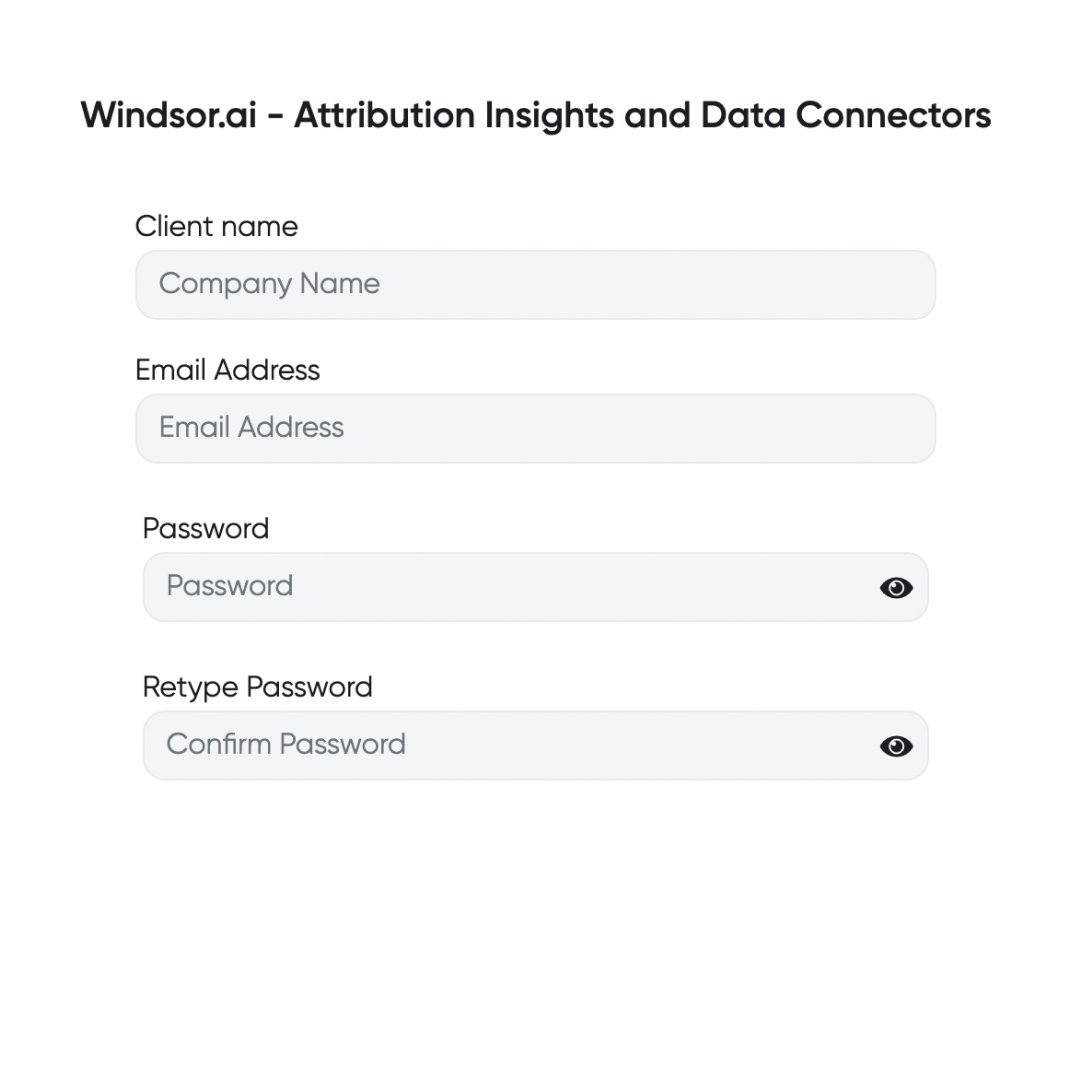
Register and log in to Windsor.ai
Create a new Windsor.ai account or log in if you already have one.
Select your data source
Choose AppNexus as your data source and grant access to Windsor.ai.

Connect Tableau via Google Sheets
Tableau has temporarily halted external connectors, so the easiest way to sync data to Tableau is via Google Sheets.

Import data from Google Sheets into Tableau
In the Tableau Desktop app, go to the “Data” tab and click “New Data Source.” Select “Google Drive” and connect your data.

See the integrated data in Tableau
Congratulations! You’ve imported data to Tableau, and it’s ready for further analysis.
FAQs
What is Tableau?
Tableau is a popular business intelligence and analytics tool designed for data visualization and interactive reporting. Using Windsor.ai connectors, you can seamlessly connect Tableau to various data sources, including servers and files like Microsoft Excel, to generate dynamic charts, trends, and dashboards. Once connected, you can automatically create reports using pre-built templates or build custom visualizations from scratch with intuitive, click-through Tableau commands. You can further organize these visuals into dashboards and transform them into compelling data stories for enhanced decision-making.
Do you have helpful links to get started with integrating AppNexus and Tableau using Windsor.ai?
Yes, we have helpful resources to help you get started. You can explore our official documentation and ready-to-use templates for seamless AppNexus to Tableau integration with Windsor.ai:
How much time do I need to create the AppNexus and Tableau integration?
Using Windsor.ai’s no-code ETL connector, you can integrate AppNexus with Tableau in a few minutes, benefiting from a quick and stress-free setup process.
How much does it cost to integrate AppNexus into Tableau with Windsor.ai?
Windsor.ai’s pricing for AppNexus to Tableau data integration can vary depending on your use case and data volume. We offer transparent pricing plans tailored to diverse business needs and budgets.
Tired of manual AppNexus data exports? Try Windsor.ai today to automate your reporting


