 Destinations
 Data sources
 AI insights
 About us
 Careers
 Security
 Customer reviews
 Contact us
 Affiliate program
 Solution partners
 Template gallery
 Looker Studio templates
 Power BI templates
 Excel templates
 Google Sheets templates
 Tableau templates
 Facebook Ads templates
 Google Ads templates
 Data fields & Metrics
 AI prompt library & Guides
 Product documentation
 API documentation
 Case studies
 Blog
Blog Data models
 Windsor vs Supermetrics
 Windsor vs Funnel.io
 Windsor vs Fivetran
 Windsor vs Rivery
 Windsor vs Portermetrics
 Windsor vs Coupler.io
Connect BigQuery to Azure Blob Storage
The Windsor.ai connector allows you to automatically sync BigQuery data with Azure Blob Storage hassle-free. Our no-code tools create data pipelines so you can integrate data in minutes.
Forget CSVs. Stop copy/paste. Connect data in 2 minutes. No code required.
 Sign up with Google
 Free forever plan
No credit card needed
Free forever plan
No credit card needed










Why do I need BigQuery and Azure Blob Storage integration?
If you use BigQuery as your main data warehouse, integrating with Azure Blob Storage solves most problems in data management, especially if you handle unstructured data. Check the benefits below.

Store and manage large unstructured data in Azure Blob
Integration of BigQuery and Azure Blob Storage allows you to manage your unstructured data on a warehouse built for that purpose. Azure Blob Storage is a highly capable database for images, videos, and document data types. Further, Azure Blob Storage allows you to use the data in your mobile, web, and cloud-native applications. Note that you can host applications that use or return unstructured data on Azure Blob Storage.

Enhance data organization and management
Azure Blob Storage has a hierarchical namespace feature that helps you organize your unstructured data. This allows you to access, manage, and classify large unstructured datasets easily. The feature is particularly useful when you want to perform complex analytical tasks. With the integration of unstructured data from BigQuery to Azure Blob Storage, you minimize query time using the namespace feature and gain insights faster for data-driven decisions.

Access multiple Azure services
Exporting BigQuery data to Azure Blob Storage unlocks the ability to integrate it with multiple Azure services like Azure Machine Learning, Azure Functions, and Azure Data Factory. With access to Azure Functions, you can automate tasks and trigger workflows based on data changes and still perform advanced predictive analytics using the machine learning feature.

Cost-effective data management
Integration of BigQuery and Azure Blob Storage helps you to manage unstructured data in a cost-effective way through Azure Blob Storage’s tiered storage options (Hot, Cool, and Archive). You can choose the Hot tier for frequently accessed data, such as data needed to run your applications, and the Cool or Archive option for less accessed data to save costs. Archive historical sales data to reduce storage costs while ensuring the data is accessible when needed.
Using Windsor.ai connector to import data from BigQuery into Azure Blob Storage
The Windsor.ai connector allows you to automatically sync BigQuery data with Azure Blob Storage hassle-free.
Our no-code tools create data pipelines so you can integrate data in minutes.















How to connect BigQuery to Azure Blob Storage with Windsor.ai
Follow these steps to sync your BigQuery data into Azure Blob Storage with Windsor.ai.
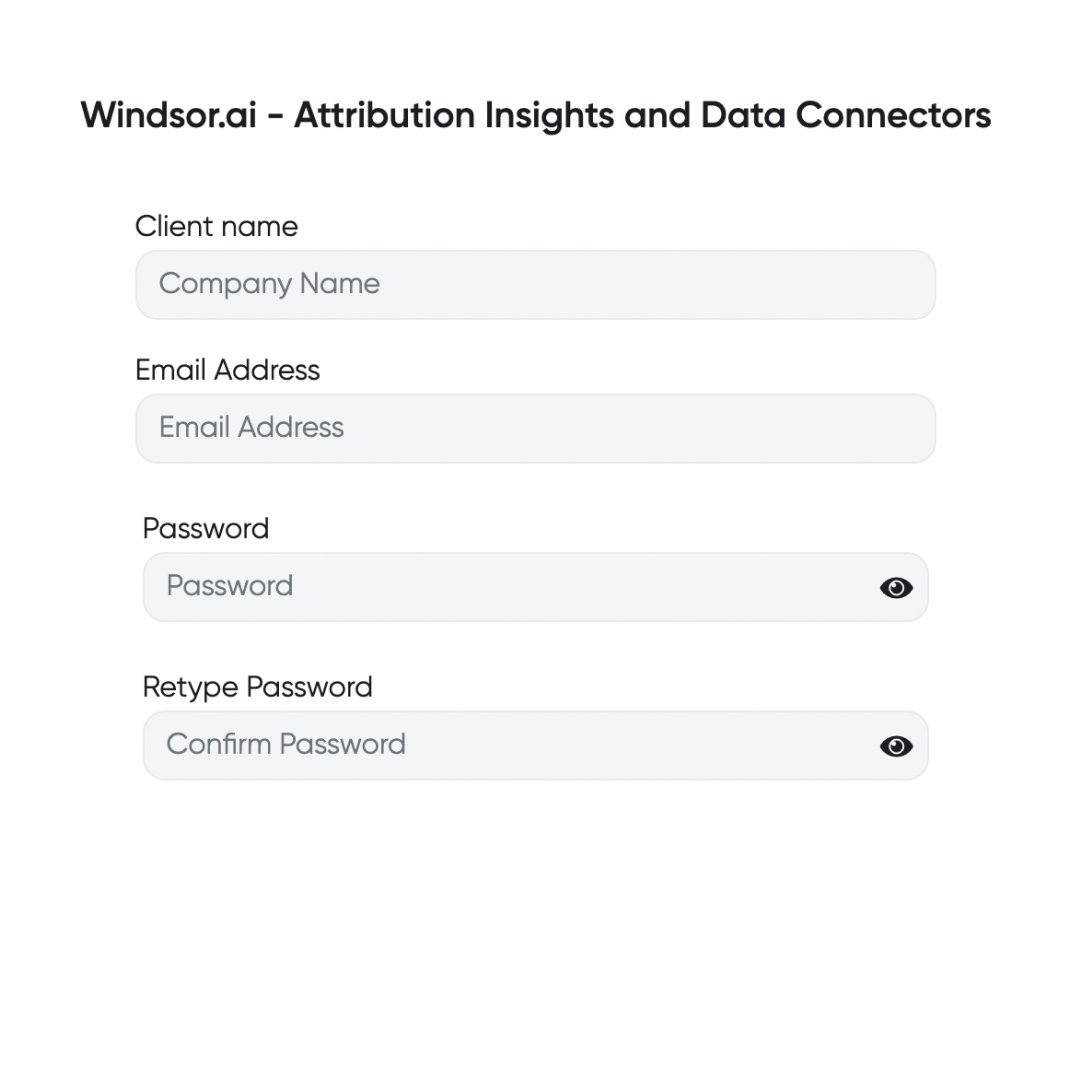
1. Register
Register or login if you already have an account.
2. Select your source
You need to select BigQuery as a Data Source and Grant Access to Windsor.ai.

3. Select Destination
Choose Azure Blob Storage as the destination.

4. Sync your Data
Create an Azure Blob Storage (or an Azure Synapse Analytics) resource on your Azure Portal and provide a connection string for it. Also, you may choose different container and blob names.
Visit the Wiki page for details: https://wiki.windsor.ai/azure_blob_storage
FAQs
What is Azure Blob Storage?
Azure Blob Storage is a solution used to store objects on the cloud. Designed by Microsoft, the platform accommodates large amounts of unstructured data (which doesn’t fit a particular definition or model like binary or text data). Azure Blob Storage has multiple use cases, such as streaming, archiving, and serving files directly to users. It’s highly scalable and accessible, making it ideal for apps needing massive storage capacity.
Tired of manual BigQuery data exports? Get started with Windsor.ai today to automate your reporting


